Why a Professional Mold Assessment Service Saves Time and Health Risks
Understanding the Difference Between a Mold Assessment and a Quick Look
Walk into a basement that smells musty, and the first instinct is to grab a spray bottle and wipe down the visible patches. That approach rarely works, and it can make things worse. Without knowing what kind of mold is growing or how deep it has spread, you are guessing. A professional mold assessment service provides a structured, evidence-based evaluation of what is actually happening in the building. It is not the same as a remediation job, though the two often get confused. The assessment comes first, and it determines the scope of any cleanup work needed.
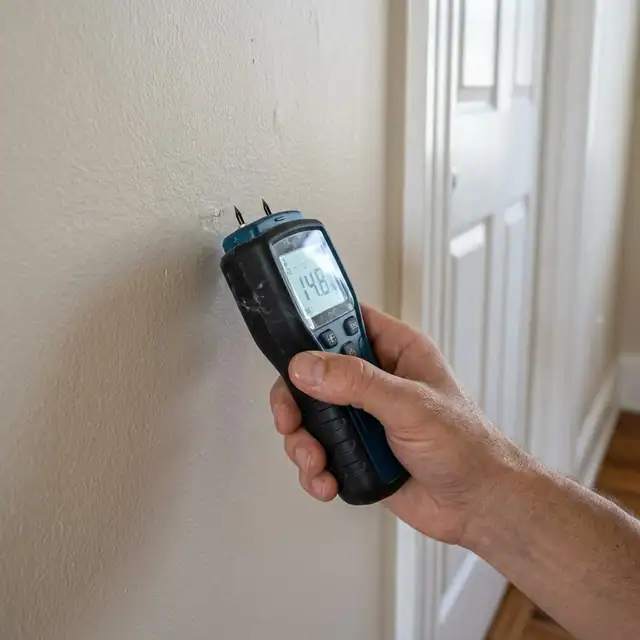
I have seen homeowners in Boston spend weeks scrubbing a small area of black mold only to find the problem return twice as fast because the moisture source was never addressed. A proper assessment uses tools like a moisture meter to check wall cavities, floor joists, and hidden spaces behind tile. Without that step, you are treating symptoms, not causes. That is why a mold assessment service is the logical starting point for anyone dealing with suspected mold growth inside a home or commercial building.
What a Mold Inspection Actually Involves
A thorough inspection begins with a visual walkthrough. The inspector looks for water stains, condensation patterns, peeling paint, and any visible fungal growth. But the real work happens with instruments. A moisture meter measures the moisture content in building materials. If drywall or wood reads above a certain threshold, mold growth is likely even if you cannot see it yet. The inspector also uses a thermal imaging camera in many cases to detect hidden moisture behind walls or under flooring.
Air sampling is another common method. A spore trap collects airborne particles onto a sticky surface, which is then sent to a lab for analysis. That analysis identifies the genera present, such as Aspergillus, Penicillium, or Stachybotrys chartarum. The latter is the scientific name for what most people call black mold. Stachybotrys chartarum produces mycotoxins, which can cause respiratory issues and other health problems. Knowing whether that species is present changes how the remediation team approaches the job. It also determines what kind of personal protective equipment they need to wear.
Surface sampling, tape lifts, and bulk samples are also used depending on the situation. A mold testing kit from the hardware store can tell you that mold exists somewhere in the house, but it cannot tell you the concentration, the species, or the exact location of the source. That is where a professional assessment earns its value. It provides a clear picture rather than a vague positive or negative result.
Health Risks That Go Beyond Allergies
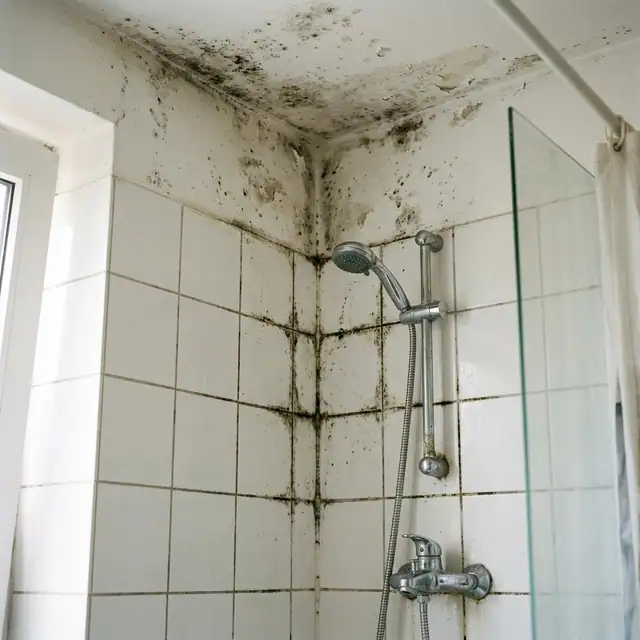
Mold exposure affects people differently. For some, it is a mild annoyance that causes sneezing or watery eyes. For others, particularly those with asthma or weakened immune systems, the effects can be serious. Mycotoxins produced by certain molds, including Stachybotrys chartarum, have been linked to chronic sinus infections, fatigue, and neurological symptoms in some studies. The EPA has published guidelines on indoor air quality that emphasize the importance of addressing mold problems quickly and correctly.
A mold assessment service helps identify these risks before anyone spends prolonged time in the affected space. In a city like Boston, where older buildings often have basements that flood during heavy rain, the chance of hidden mold growth is high. Tenants and homeowners alike benefit from knowing exactly what they are breathing. An assessment report typically includes recommendations for remediation and sometimes for HVAC cleaning if the mold has spread into ductwork.
Why DIY Testing Falls Short
Retail mold testing kits are inexpensive and easy to find. You open a petri dish, expose it to the air for a few hours, and wait for colonies to grow. The problem is that these kits lack the controls and calibration of professional equipment. They can produce false positives or miss slow-growing species entirely. They also cannot measure the concentration of spores in the air, which is a critical piece of data. A spore trap used by a trained professional collects a known volume of air over a set time, giving a quantitative result that can be compared to outdoor baseline levels.
Another limitation is identification. Most DIY kits only tell you that something grew, not what it is. That is like a doctor telling you that you have an infection but not whether it is bacterial or viral. Professional labs can identify the genus and sometimes the species. That distinction matters because different molds require different remediation strategies. For example, Aspergillus is common indoors and often harmless in small quantities, but some species can cause lung infections in immunocompromised individuals. Penicillium is another frequent indoor contaminant that can produce mycotoxins under certain conditions.
Equipment Used in a Professional Assessment
An inspector arrives with a kit that typically includes a moisture meter, a borescope for looking inside wall cavities, a thermal camera, and air sampling equipment. They might also use a HEPA vacuum to collect surface samples without spreading spores further. The HEPA vacuum is not for cleaning the mold, it is for capturing a sample in a controlled way. An air scrubber is sometimes brought in during remediation to filter the air, but during assessment the focus is on measurement, not cleanup.
Dehumidifiers are often recommended after the assessment to control the humidity level that allows mold to thrive. Keeping indoor relative humidity below 50 percent is a standard target. A good assessment report will include that kind of practical advice. It might also recommend sealing porous materials with an encapsulant or applying an antimicrobial spray in certain areas. These are remediation steps that follow the assessment, not part of the inspection itself, but they are informed by the data gathered during the inspection.
Credentials and Standards That Matter
Not every company offering a mold assessment service has the same level of training. Look for inspectors who hold a Mold Remediation Certification from a recognized organization such as the IICRC. The IICRC sets standards for inspection, cleaning, and restoration. Their certification process includes training on proper sampling techniques, safety protocols, and ethical business practices. Mold Inspection Consultants is one example of a firm that employs certified professionals who follow IICRC guidelines.
A restoration company that offers both assessment and remediation may be convenient, but it can also create a conflict of interest. Some companies inflate the scope of work to justify higher remediation costs. An independent assessment, performed by a separate inspection firm, provides a neutral evaluation. The homeowner then takes that report to a remediation contractor for bids. This separation is common in the insurance claims process, and it protects the property owner from unnecessary upselling.
When to Call a Professional
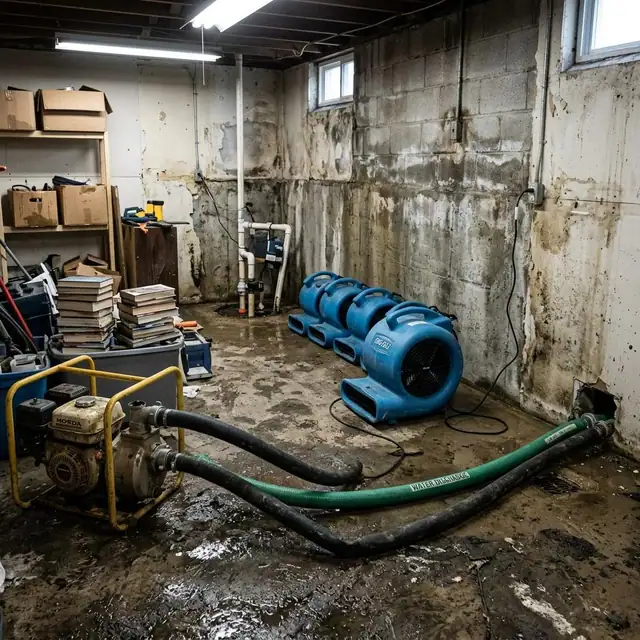
If you see visible mold covering an area larger than about three feet by three feet, or if the mold keeps returning after cleaning, it is time to call for a mold assessment service. The same applies if you smell a persistent musty odor even after cleaning visible spots. That smell indicates active microbial growth somewhere hidden. The assessment will locate it. Water damage from a leak or flood also warrants an inspection, even if no mold is visible yet. Mold can begin growing within 24 to 48 hours in damp conditions.
In Boston, where winter weather drives people indoors and windows stay shut for months, indoor humidity can spike without anyone noticing. Condensation on windows is a common sign that moisture levels are too high. An assessment can identify problem areas before mold becomes visible. That proactive approach saves money and avoids health problems down the line.
The Role of the Assessment in a Remediation Plan
Once the assessment is complete, the report serves as a roadmap. It tells the remediation crew which areas need containment, what kind of personal protective equipment is required, and whether any materials can be cleaned or must be removed. For example, drywall that has been saturated with water and shows mold growth on the back side usually needs to be cut out and replaced. Hard surfaces like tile or metal can often be cleaned with an antimicrobial spray and an encapsulant to seal any remaining residue.
The report also helps with budgeting. A homeowner knows exactly what work is needed and can compare quotes from different contractors. An insurance adjuster may require a professional assessment before approving a claim. In those cases, the report becomes a legal document that supports the claim. Having a certified inspection from a reputable firm like Mold Inspection Consultants or a similar IICRC-certified company strengthens the case.
Final Thoughts on Choosing the Right Service
Mold is not something to ignore or treat with home remedies. A professional mold assessment service gives you the facts you need to make smart decisions about your property and your health. It clarifies whether you are dealing with a minor condensation issue or a structural moisture problem that requires extensive remediation. The cost of an assessment is small compared to the expense of repeated failed cleanups or medical bills from prolonged exposure.
Look for a service that uses calibrated instruments, sends samples to an accredited lab, and provides a written report with clear recommendations. Avoid companies that try to sell you remediation work during the inspection. Keep the two roles separate and you will get an honest evaluation every time. In a city with old buildings and variable weather, that independence matters more than people realize.
Ends · MOLDASSESSMENTSERVICECRAFT